ARWELL

Reimagining Wellness Through Immersive AR Play!

Lead UX Researcher | 9 months | Cross-functional team

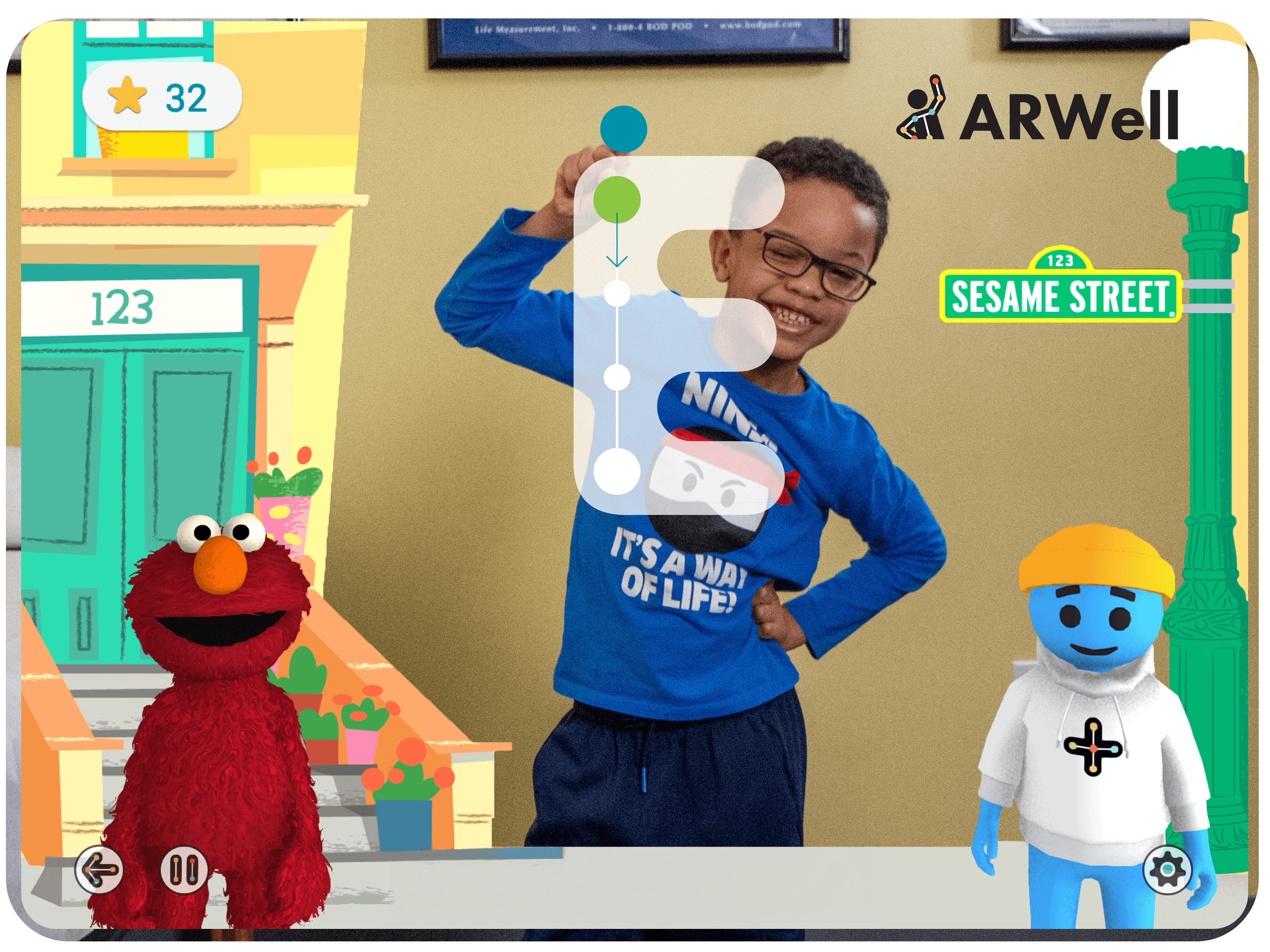
ARWell reimagines exercise through immersive AR gameplay, turning movement into a motivating experience for users of all abilities. Through comprehensive UX research, we achieved a 23% increase in user satisfaction and 16.7% improvement in task efficiency.

ARWell reimagines exercise through immersive AR gameplay, turning movement into a motivating experience for users of all abilities. Through comprehensive UX research, we achieved a 23% increase in user satisfaction and 16.7% improvement in task efficiency.

ARWell reimagines exercise through immersive AR gameplay, turning movement into a motivating experience for users of all abilities. Through comprehensive UX research, we achieved a 23% increase in user satisfaction and 16.7% improvement in task efficiency.

65+

Participants across surveys, usability tests, and interviews

21%

Increase in user satisfaction (SUS score improvement)

16.7%

Boost in task efficiency (faster task completion)
4

Iterative research-backed design cycles

4

Iterative research-backed design cycles

01

Problem

Business Challenge: ARWell experienced a 70% drop-off rate within the first week, despite initial user interest.

Business Challenge: ARWell experienced a 70% drop-off rate within the first week, despite initial user interest.

Business Challenge: ARWell experienced a 70% drop-off rate within the first week, despite initial user interest.

Research Question: Why are users abandoning the AR fitness app after just a few sessions?.

Research Question: Why are users abandoning the AR fitness app after just a few sessions?.

Research Question: Why are users abandoning the AR fitness app after just a few sessions?.

02

Research Approach

Strategic Mixed-Methods Design: We chose a three-phase approach to triangulate findings and build confidence:

Strategic Mixed-Methods Design: We chose a three-phase approach to triangulate findings and build confidence:

Strategic Mixed-Methods Design: We chose a three-phase approach to triangulate findings and build confidence:

Experience Survey

Experience Survey

(n=65, Ages 18 to 64)

(n=65, Ages 18 to 64)

n=65


Why this Number?
Exceeds 30-50 threshold for reliable trends.


Key Insight: Value-usage gap: 61.6% see value, only 30.8% use consistently.

Usability Tests

(n=42, Ages 7 to 30)

n=42


Why this Number?
Meets 30-40 standard for comprehensive evaluation.


Key Insight: 3 core issues: unclear goals, limited customization, lack of guidance


Interviews

(n=8, Ages 20to 30)

n=8


Why this Number?
Aligns with 5-12 needed for thematic saturation.


Key Insight: Users need motivation, personalization, and clear guidance

03

Research Framework: Self-Determination Theory

Applied SDT's three psychological needs to structure findings:

Applied SDT's three psychological needs to structure findings:

Applied SDT's three psychological needs to structure findings:

Autonomy

User control and customization

Competence

Clear goals and feedback

Relatedness

Social Connection and

personalization

04

Key Findings

01. Motivation Crisis

"I don't know what I'm supposed to do" — Users felt lost and unmotivated

  • Traditional routines felt monotonous

  • Lack of clear progress indicators

  • No accountability systems

"I don't know what I'm supposed to do" — Users felt lost and unmotivated

  • Traditional routines felt monotonous

  • Lack of clear progress indicators

  • No accountability systems

"I don't know what I'm supposed to do" — Users felt lost and unmotivated

  • Traditional routines felt monotonous

  • Lack of clear progress indicators

  • No accountability systems

  I think a counter and streaks would be very helpful!
-21M

Progress is what I would wanna see!
-29F

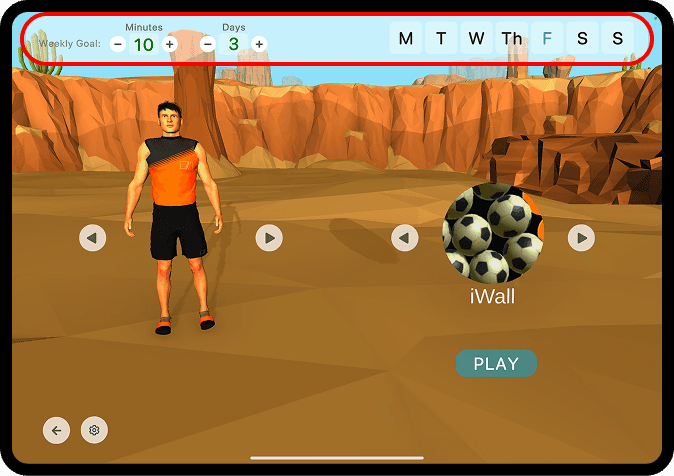
ARWell’s limited goal setting and progress tracking hinder motivation.

02. Personalization Deficit


"This doesn't feel like it's made for me" — Users felt unseen and disconnected

  • Avatars lacked meaningful customization

  • Difficulty levels stayed static and unresponsive

  • Goals felt generic, not tailored to individual needs


"This doesn't feel like it's made for me" — Users felt unseen and disconnected

  • Avatars lacked meaningful customization

  • Difficulty levels stayed static and unresponsive

  • Goals felt generic, not tailored to individual needs


"This doesn't feel like it's made for me" — Users felt unseen and disconnected

  • Avatars lacked meaningful customization

  • Difficulty levels stayed static and unresponsive

  • Goals felt generic, not tailored to individual needs

ARWell's fixed set of characters and click fatigue hinder user experience.

It’ll be cool to give the frog a name! or dress it up!
-21F

Would like see more personalisation options !
-32F

03.Guidance Vacuum
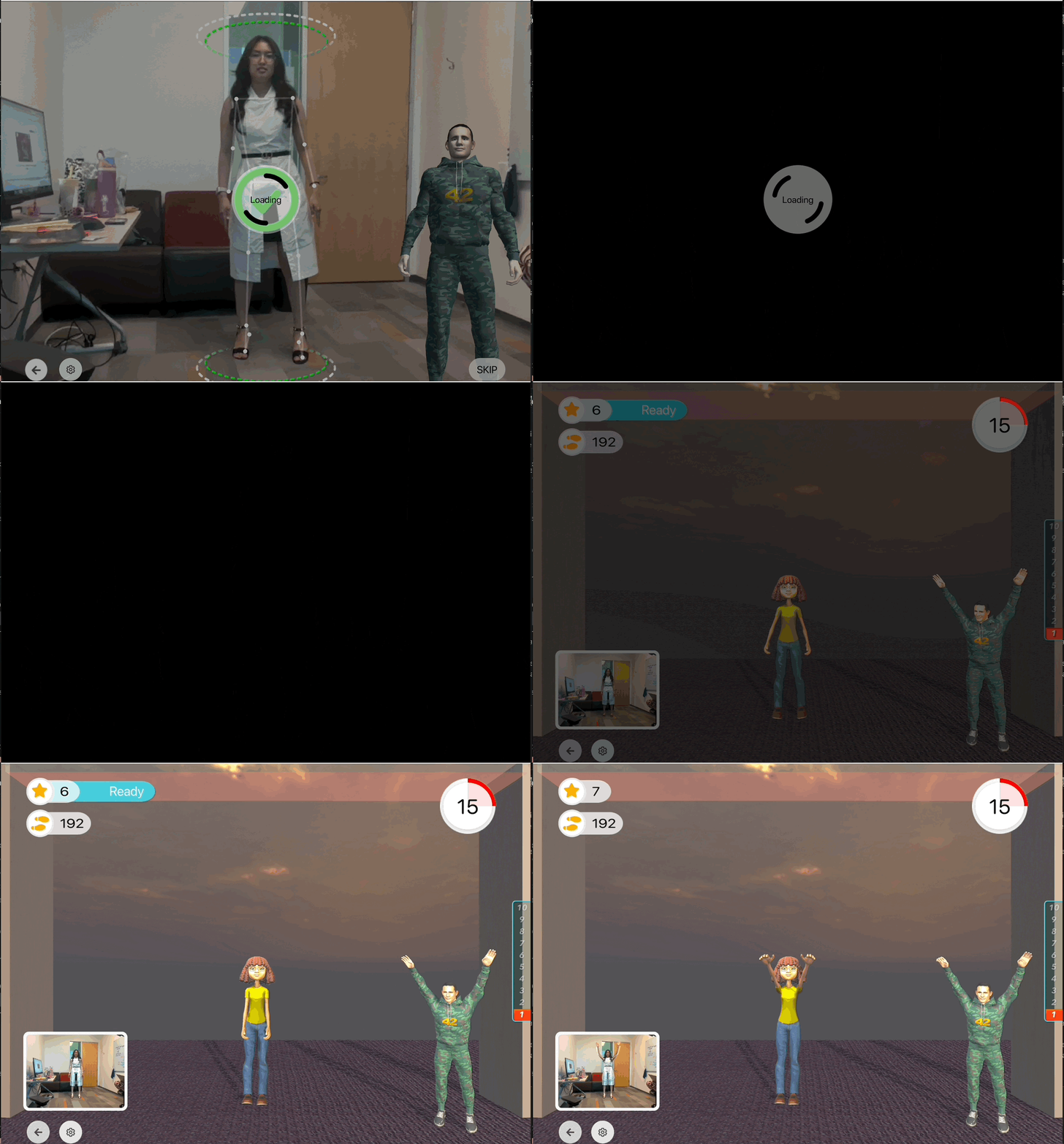
"What makes me level up?" — Users confused about success criteria

  • Unclear game objectives

  • No real-time feedback during exercise

  • Frustrating user interface interactions

"What makes me level up?" — Users confused about success criteria

  • Unclear game objectives

  • No real-time feedback during exercise

  • Frustrating user interface interactions

"What makes me level up?" — Users confused about success criteria

  • Unclear game objectives

  • No real-time feedback during exercise

  • Frustrating user interface interactions

onboarding game instructions & post game feedback.


What games does this program have?
-21F

Where is The results screen that tells me how I did in the game?
-32F

05

Iterations
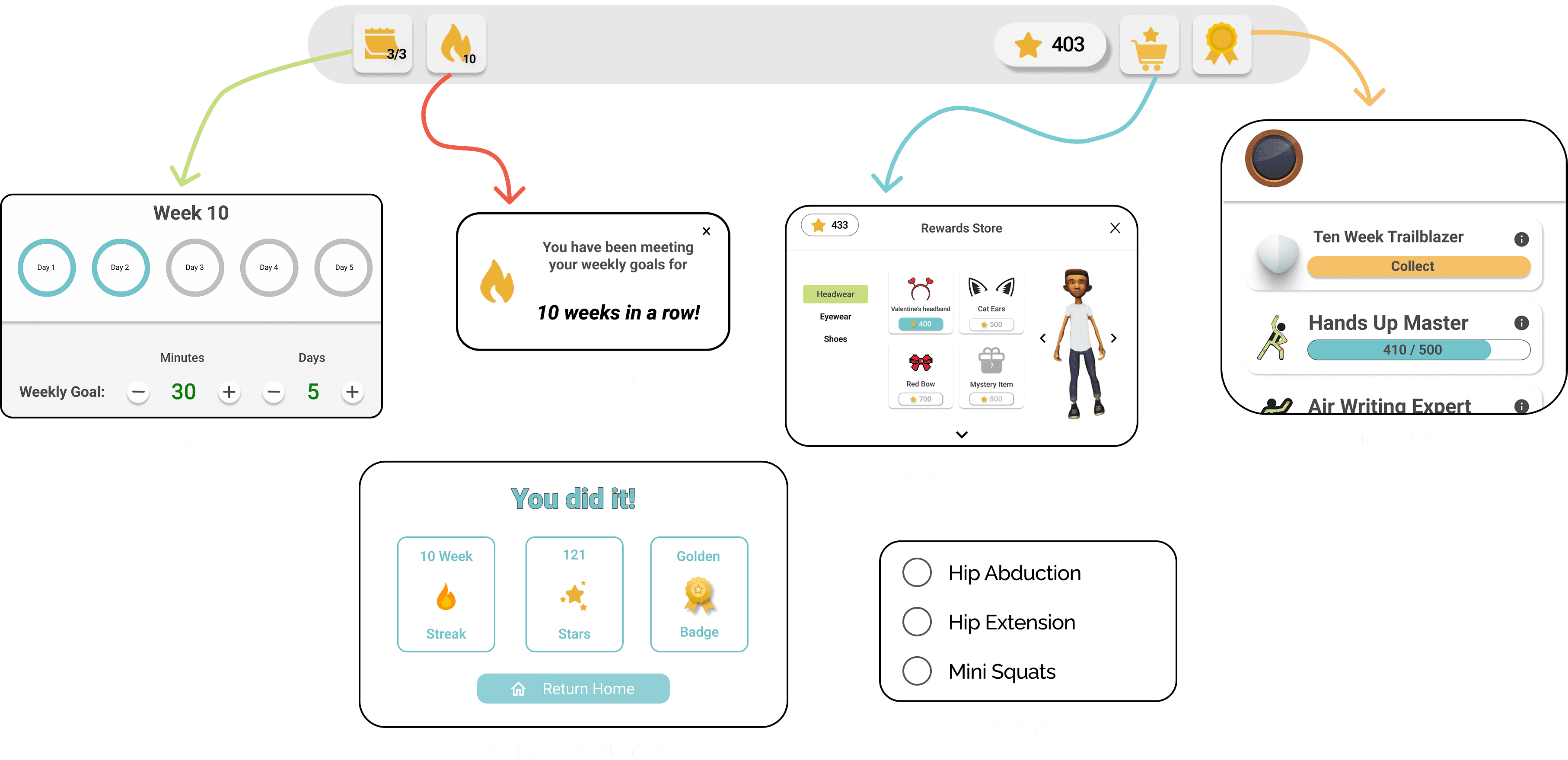
“Based on the identified themes—Motivation, Guidance, and Personalization—following iterations were made.”

“Based on the identified themes—Motivation, Guidance, and Personalization—following iterations were made.”

“Based on the identified themes—Motivation, Guidance, and Personalization—following iterations were made.”

06

Testing Strategy

Unmoderated Testing (n=30) via Maze

Why Maze?

  • Heatmaps reveal where users struggled with interface elements

  • Task pathways showed navigation patterns and drop-off points

  • Scalable data collection across diverse user groups simultaneously

  • Unbiased insights without researcher influence

Why Maze?

  • Heatmaps reveal where users struggled with interface elements

  • Task pathways showed navigation patterns and drop-off points

  • Scalable data collection across diverse user groups simultaneously

  • Unbiased insights without researcher influence

Why Maze?

  • Heatmaps reveal where users struggled with interface elements

  • Task pathways showed navigation patterns and drop-off points

  • Scalable data collection across diverse user groups simultaneously

  • Unbiased insights without researcher influence

Participants: Kids (with parents), teachers, parents, caregivers Why 30? Exceeds the 20-25 threshold for reliable quantitative usability insights while maintaining cost efficiency

Participants: Kids (with parents), teachers, parents, caregivers Why 30? Exceeds the 20-25 threshold for reliable quantitative usability insights while maintaining cost efficiency

Participants: Kids (with parents), teachers, parents, caregivers Why 30? Exceeds the 20-25 threshold for reliable quantitative usability insights while maintaining cost efficiency

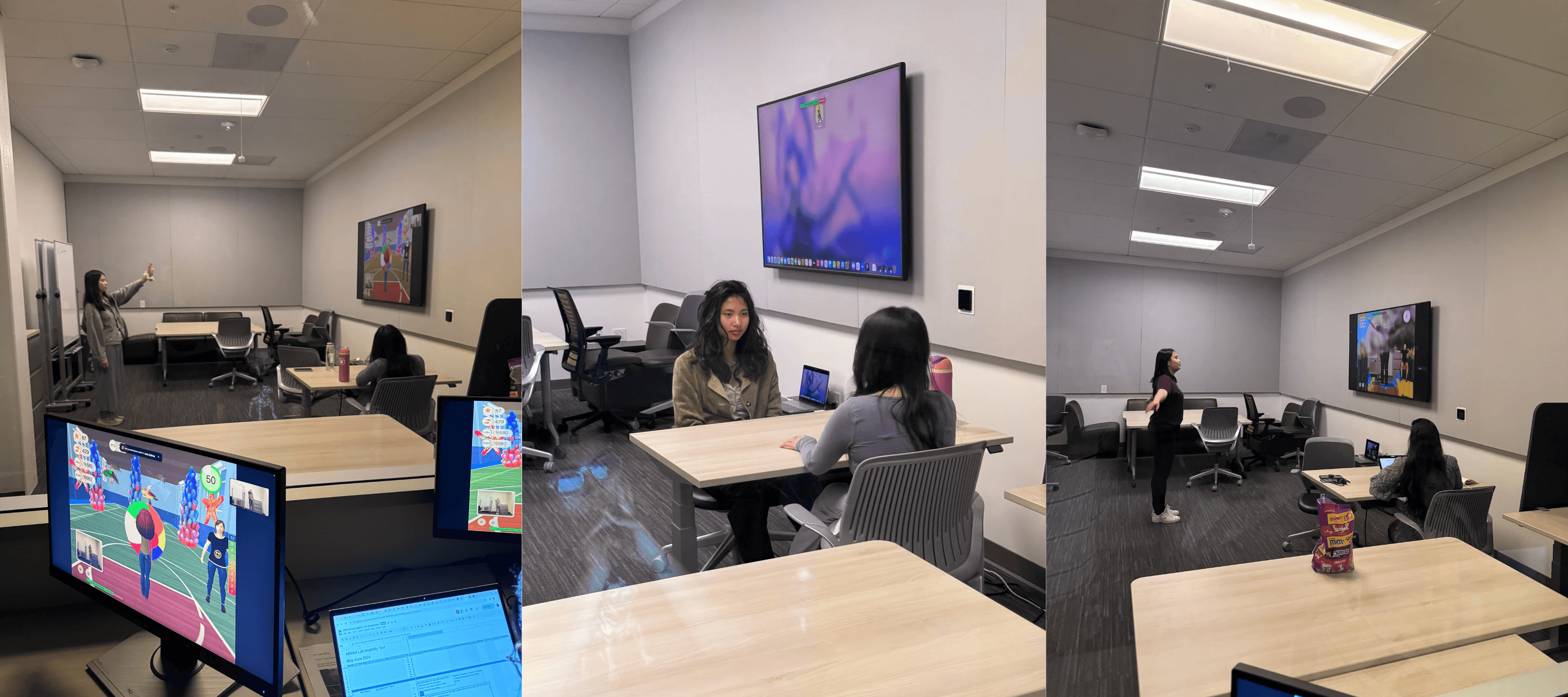
Moderated Testing (n=12) - AR Interaction Focus

Why Moderated? AR experiences require real-time observation of:

  • Physical movement responses during exercise

  • Spatial interaction challenges

  • Immediate clarification of user confusion

Participants: Kids, teachers, parents, caregivers Why 12? Aligns with Nielsen's finding that 12 participants capture 95% of usability issues in moderated testing, especially for complex AR interactions

Why Moderated? AR experiences require real-time observation of:

  • Physical movement responses during exercise

  • Spatial interaction challenges

  • Immediate clarification of user confusion

Participants: Kids, teachers, parents, caregivers Why 12? Aligns with Nielsen's finding that 12 participants capture 95% of usability issues in moderated testing, especially for complex AR interactions

Why Moderated? AR experiences require real-time observation of:

  • Physical movement responses during exercise

  • Spatial interaction challenges

  • Immediate clarification of user confusion

Participants: Kids, teachers, parents, caregivers Why 12? Aligns with Nielsen's finding that 12 participants capture 95% of usability issues in moderated testing, especially for complex AR interactions

07

Key Solutions Implemented

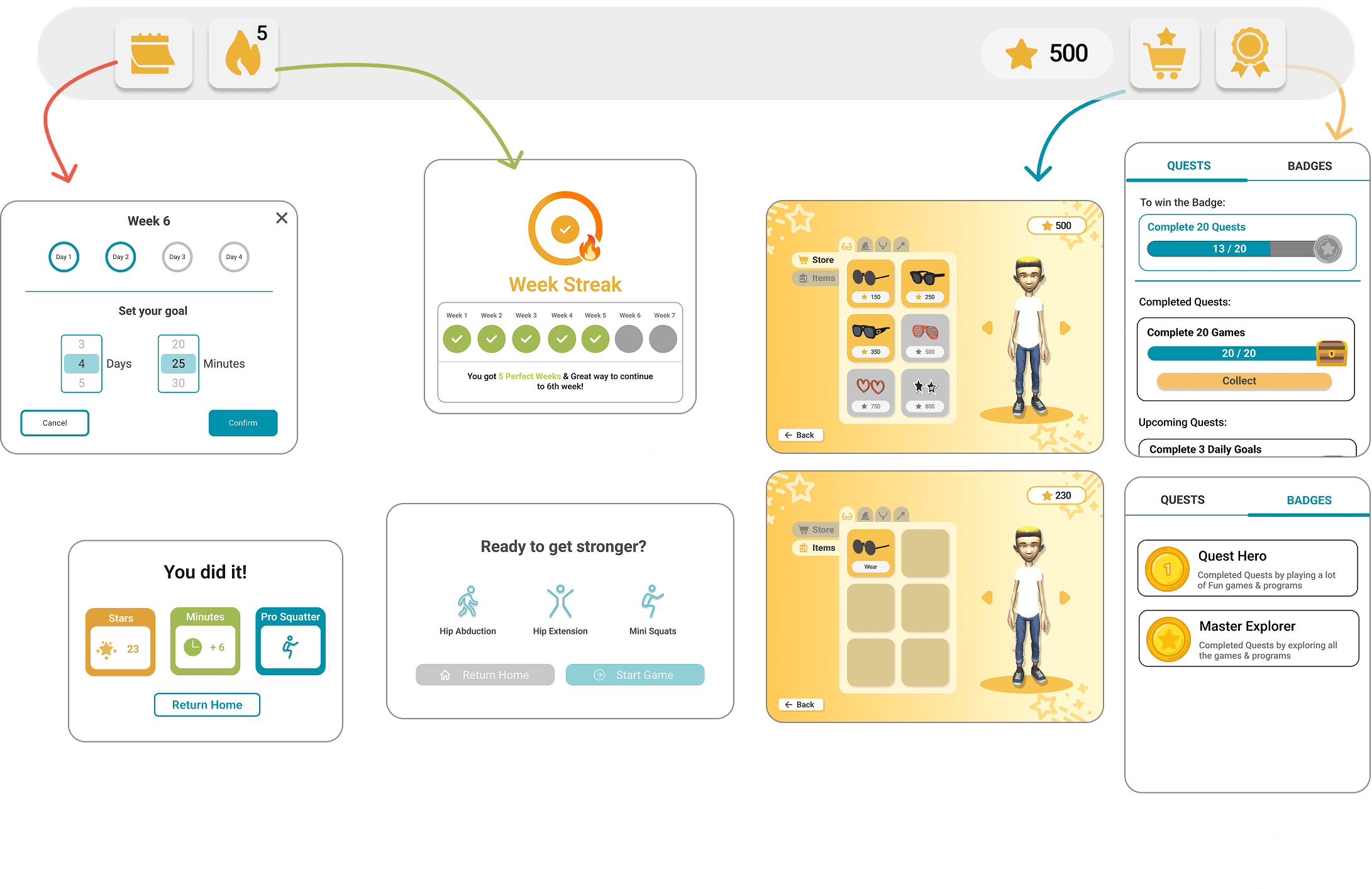
Goal Setting Enhancement


Goal Setting Enhancement


Problem: Repetitive clicks disrupted flow and frustrated users.

Solution: Added contextual cues and extended countdowns to reduce interruptions.

Impact: Smoother task initiation and lower cognitive load

Reward Store Optimization


Reward Store Optimization


Problem: Pop-up interface caused confusion; purchase flow was unclear.

Solution: Switched to full-screen layout, added confirmation steps and purchase history.

Impact: Cleaner navigation and more confident user actions in testing sessions.


Badge System Redesign


Badge System Redesign


Problem: Badges felt arbitrary and lacked purpose.

Solution: Defined clear achievement goals and unified visual design.

Impact: Boosted engagement with progress tracking and rewards.

Result Screen Update


Result Screen Update


Problem: Result screens lacked context, causing users to rush or disengage.

Solution: Added relevant game details and extended countdown duration to support reflection and decision-making.

Impact: Improved clarity and reduced premature exits, as noted in post-task feedback.

08

Measurable Impact
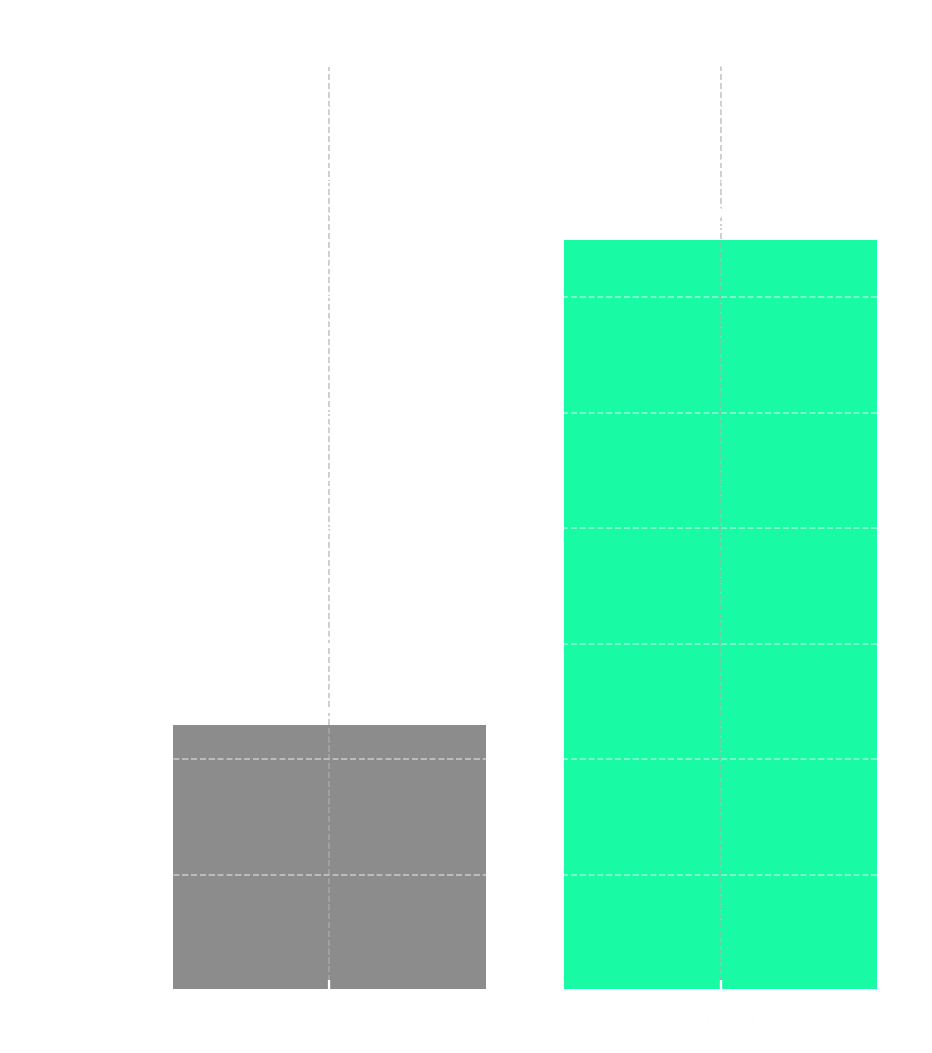
23% increase in user satisfaction (SUS score improvement)

16.7% increase in task efficiency (completion rate + time)

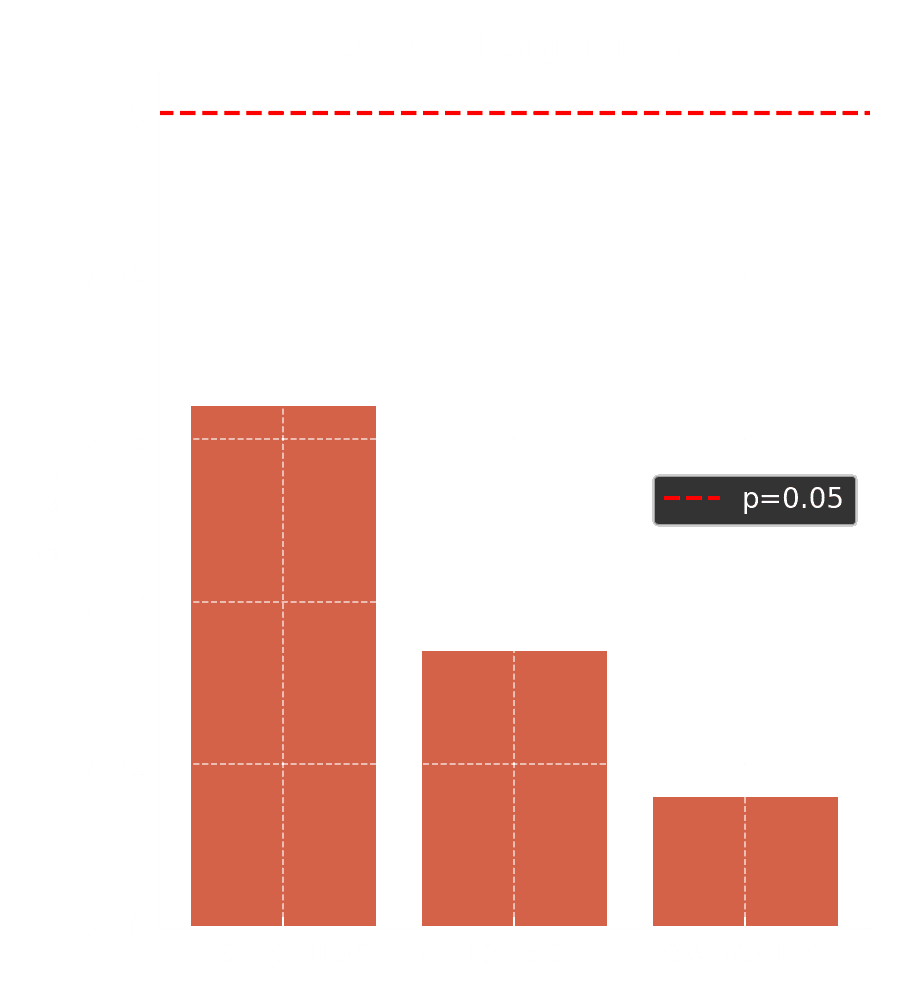
Statistically significant improvements across all features (p<0.05)

23% increase in user satisfaction (SUS score improvement)

16.7% increase in task efficiency (completion rate + time)

Statistically significant improvements across all features (p<0.05)

User Transformation

Before:
"I'm confused and frustrated"

After:

"The goals are clear and I feel motivated to keep going"

09

Research Methodology

Why Mixed Methods?
Quantitative: Measurable behavioral patterns and statistical significance
Qualitative: Underlying motivations and emotional drivers
Triangulation: Increased validity and confidence in findings

Why Mixed Methods?
Quantitative: Measurable behavioral patterns and statistical significance
Qualitative: Underlying motivations and emotional drivers
Triangulation: Increased validity and confidence in findings

Why Mixed Methods?
Quantitative: Measurable behavioral patterns and statistical significance
Qualitative: Underlying motivations and emotional drivers
Triangulation: Increased validity and confidence in findings

10

Sample Size Justifications

Each sample size exceeded established UX research standards:

Each sample size exceeded established UX research standards:

(65)
Survey

Above 30-50 threshold for reliable trend identification.

(42)
Usability

Meets 30-40 standard for comprehensive evaluation.

(8)
Interviews

Within 5-12 range for thematic saturation

(8)
Interviews

Within 5-12 range for thematic saturation

(12)
Moderated Testing

Aligns with Nielsen's finding that 12 participants capture 95% of usability issues

(12)
Moderated Testing

Aligns with Nielsen's finding that 12 participants capture 95% of usability issues

(30)
Unmoderated Testing

Exceeds 20-25 threshold for reliable quantitative usability insights

(65)
Survey

Above 30-50 threshold for reliable trend identification.

(42)
Usability

Meets 30-40 standard for comprehensive evaluation.

(8)
Interviews

Within 5-12 range for thematic saturation

(30)
Unmoderated Testing

Exceeds 20-25 threshold for reliable quantitative usability insights

(12)
Moderated Testing

Aligns with Nielsen's finding that 12 participants capture 95% of usability issues

11

 What I Learned

Research Innovation: Developed specialized AR usability testing methods, adapting traditional UX approaches for immersive experiences.

Cross-Functional Leadership: Successfully translated research insights into actionable design recommendations that drove measurable business results.

Strategic Impact: This research methodology is now being applied to three additional AR products, multiplying the impact across the product portfolio.

Research Innovation: Developed specialized AR usability testing methods, adapting traditional UX approaches for immersive experiences.

Cross-Functional Leadership: Successfully translated research insights into actionable design recommendations that drove measurable business results.

Strategic Impact: This research methodology is now being applied to three additional AR products, multiplying the impact across the product portfolio.

Research Innovation: Developed specialized AR usability testing methods, adapting traditional UX approaches for immersive experiences.

Cross-Functional Leadership: Successfully translated research insights into actionable design recommendations that drove measurable business results.

Strategic Impact: This research methodology is now being applied to three additional AR products, multiplying the impact across the product portfolio.

12

Quick Reference

Timeline: 9 months (Mar-Dec 2024)
Methods: Survey, Usability Testing, Interviews, A/B Testing
Tools: Maze, Figjam, Statistical Analysis
Framework: Self-Determination Theory
Key Metric: 23% satisfaction increase
Business Impact: Led to a Collab with niantic

Timeline: 9 months (Mar-Dec 2024)
Methods: Survey, Usability Testing, Interviews, A/B Testing
Tools: Maze, Figjam, Statistical Analysis
Framework: Self-Determination Theory
Key Metric: 23% satisfaction increase
Business Impact: Led to a Collab with niantic

Timeline: 9 months (Mar-Dec 2024)
Methods: Survey, Usability Testing, Interviews, A/B Testing
Tools: Maze, Figjam, Statistical Analysis
Framework: Self-Determination Theory
Key Metric: 23% satisfaction increase
Business Impact: Led to a Collab with niantic

Create a free website with Framer, the website builder loved by startups, designers and agencies.